Science
10 Free Science Courses, Adaptive From the First Question
Start Here
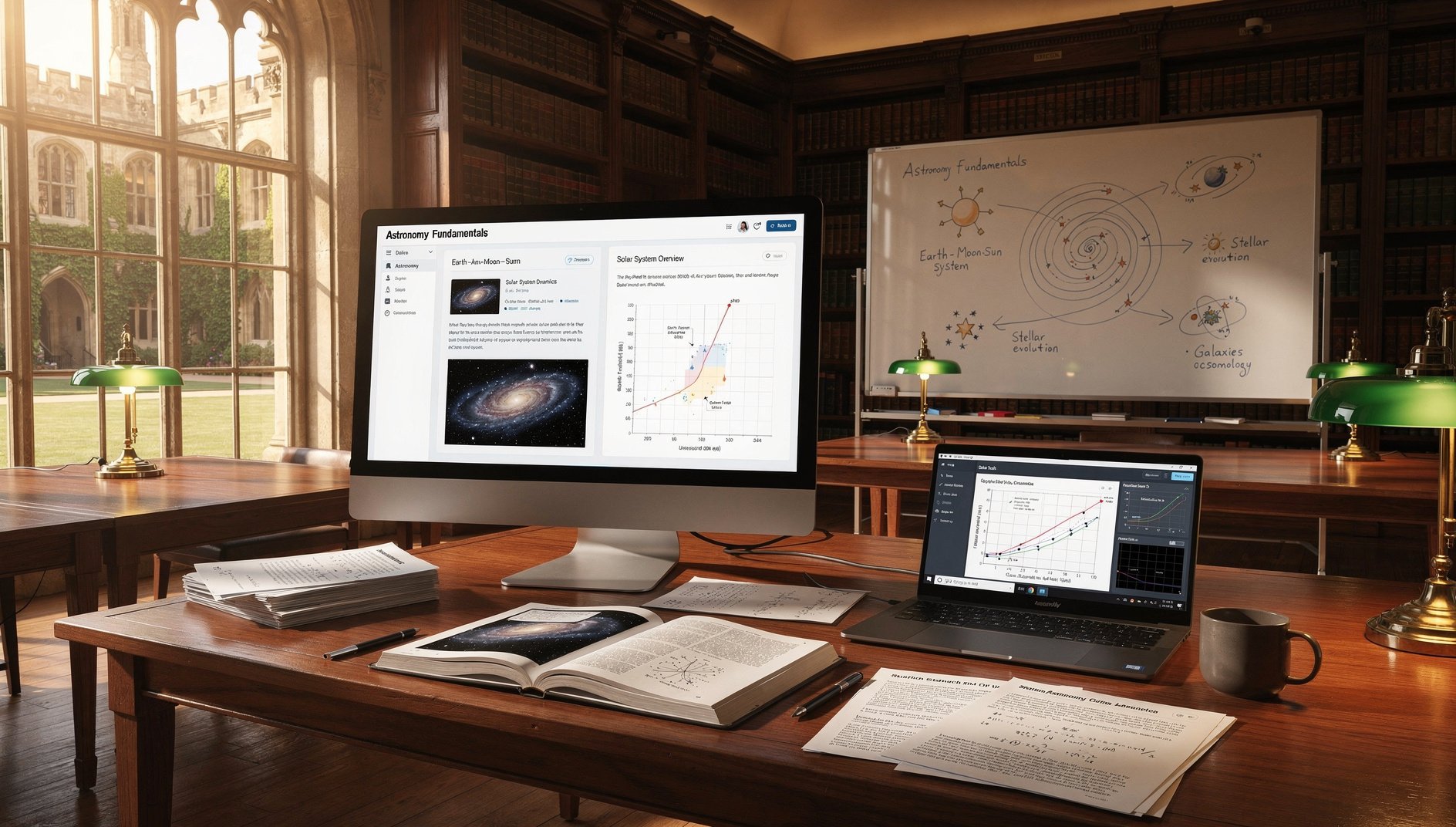
Astronomy Fundamentals
Astronomy Fundamentals covers the full sweep of modern astronomy from Earth-Moon-Sun dynamics and the solar system through stellar evolution, galaxies, cosmology, and the search for life beyond Earth. The course builds physical intuition for vast scales of space and time while grounding concepts in observational evidence and physical principles.
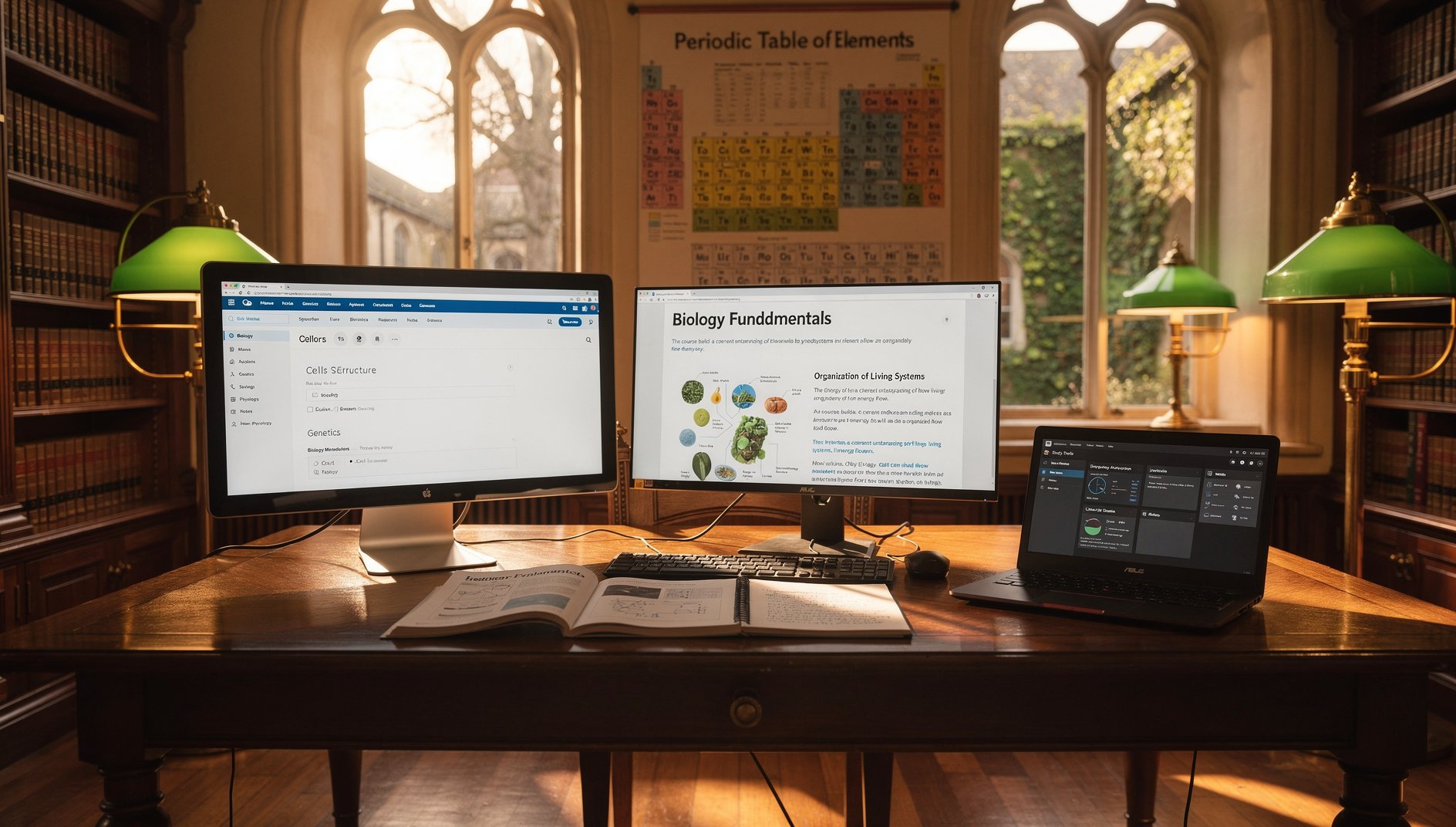
Biology Fundamentals
Biology Fundamentals covers the essential concepts of life science from the molecular level to entire ecosystems, including cell structure, genetics, evolution, and human physiology. The course builds a coherent understanding of how living systems are organized, how energy flows through them, and how they maintain stability over time.
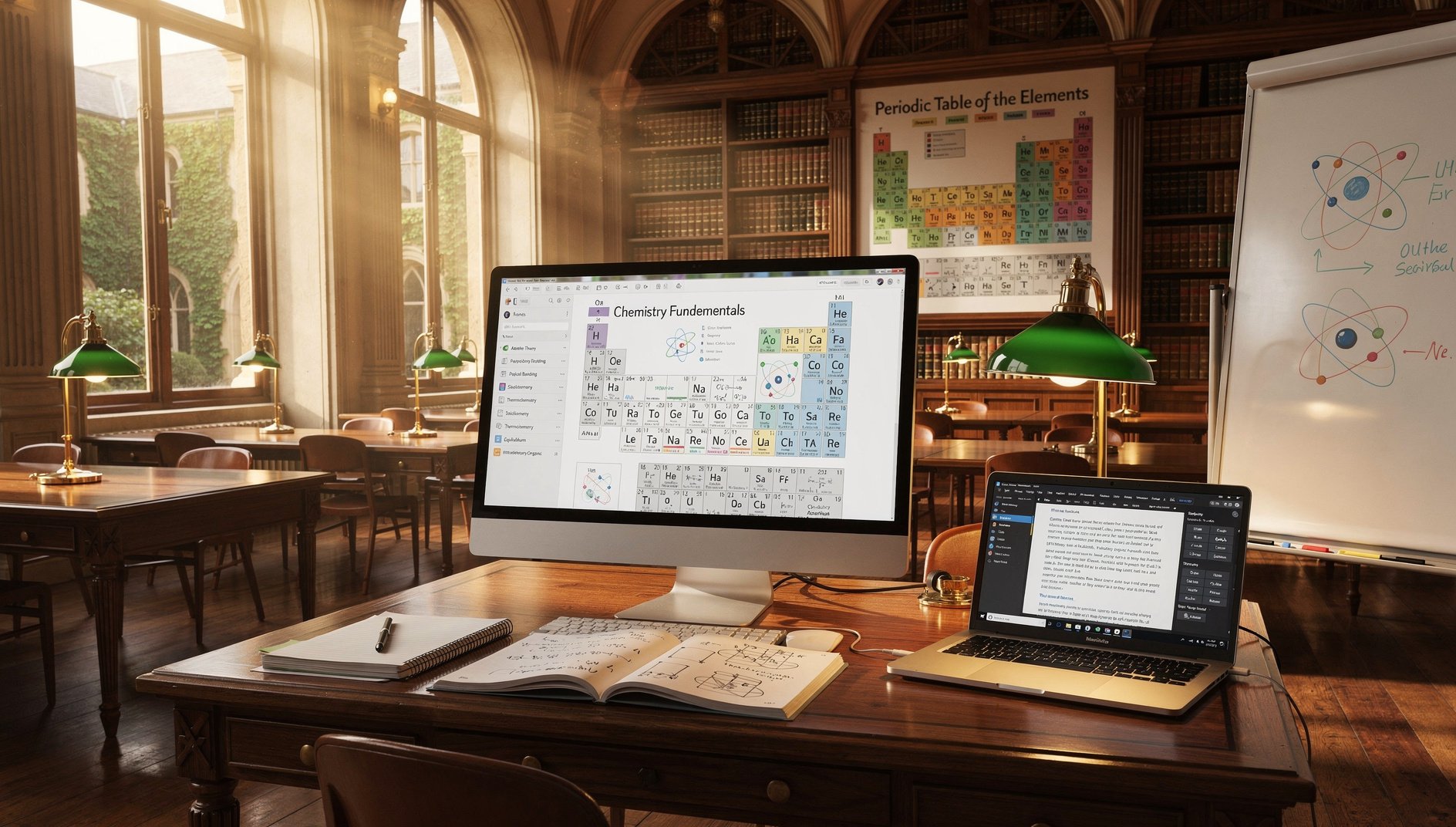
Chemistry Fundamentals
Chemistry Fundamentals covers the essential principles of matter and chemical change from atomic theory and periodic trends through chemical bonding, stoichiometry, thermochemistry, equilibrium, and introductory organic chemistry. The course provides a rigorous conceptual and quantitative foundation that connects macroscopic observations to atomic-level explanations.
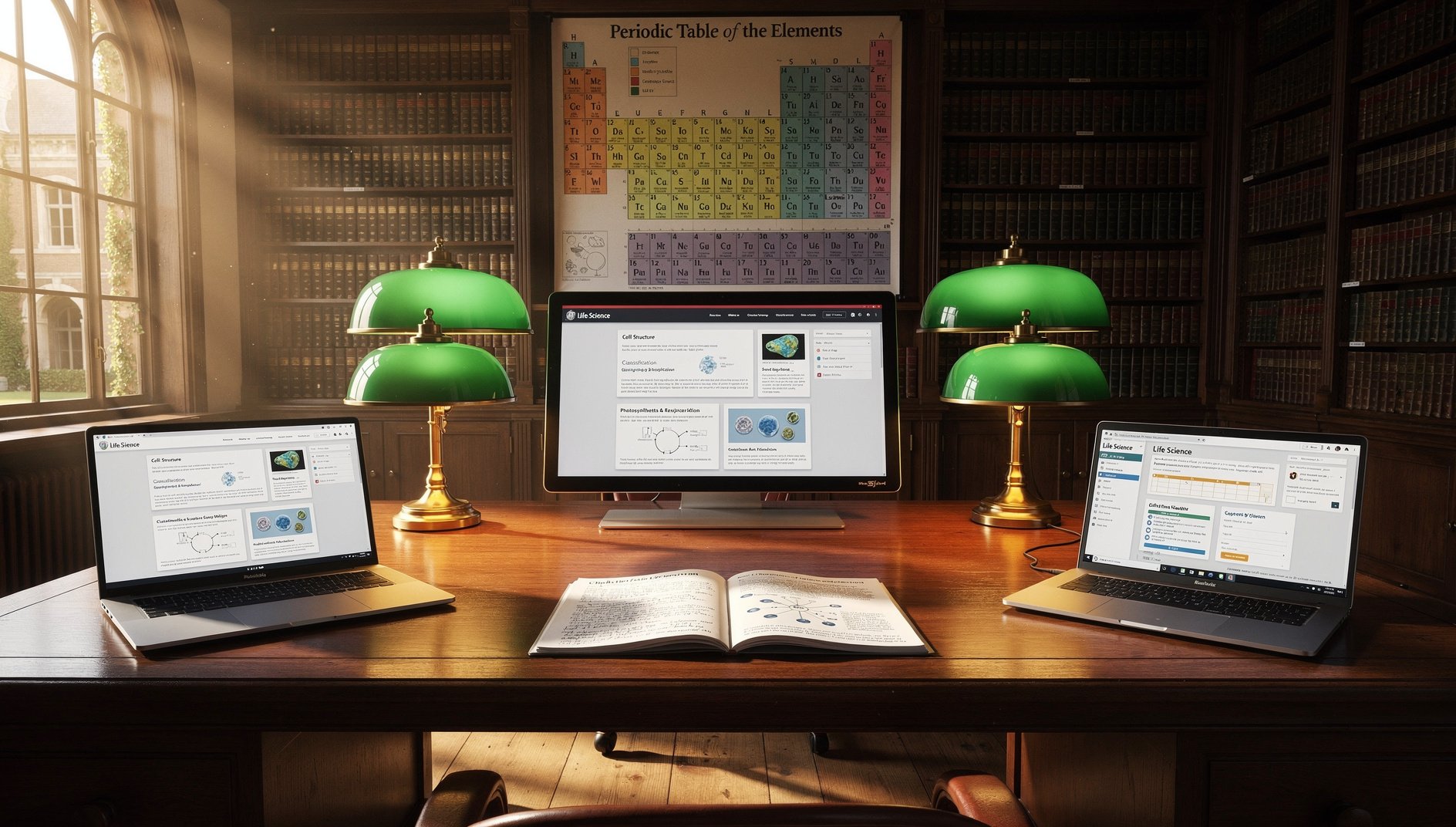
Life Science
Life Science covers the foundational biology concepts for grades 6-7: cell theory, cell structures, living organism characteristics, classification, photosynthesis and respiration, cell division, Mendelian genetics, ecosystems and food webs, evolution by natural selection, and a survey of human body systems.
Physics Fundamentals
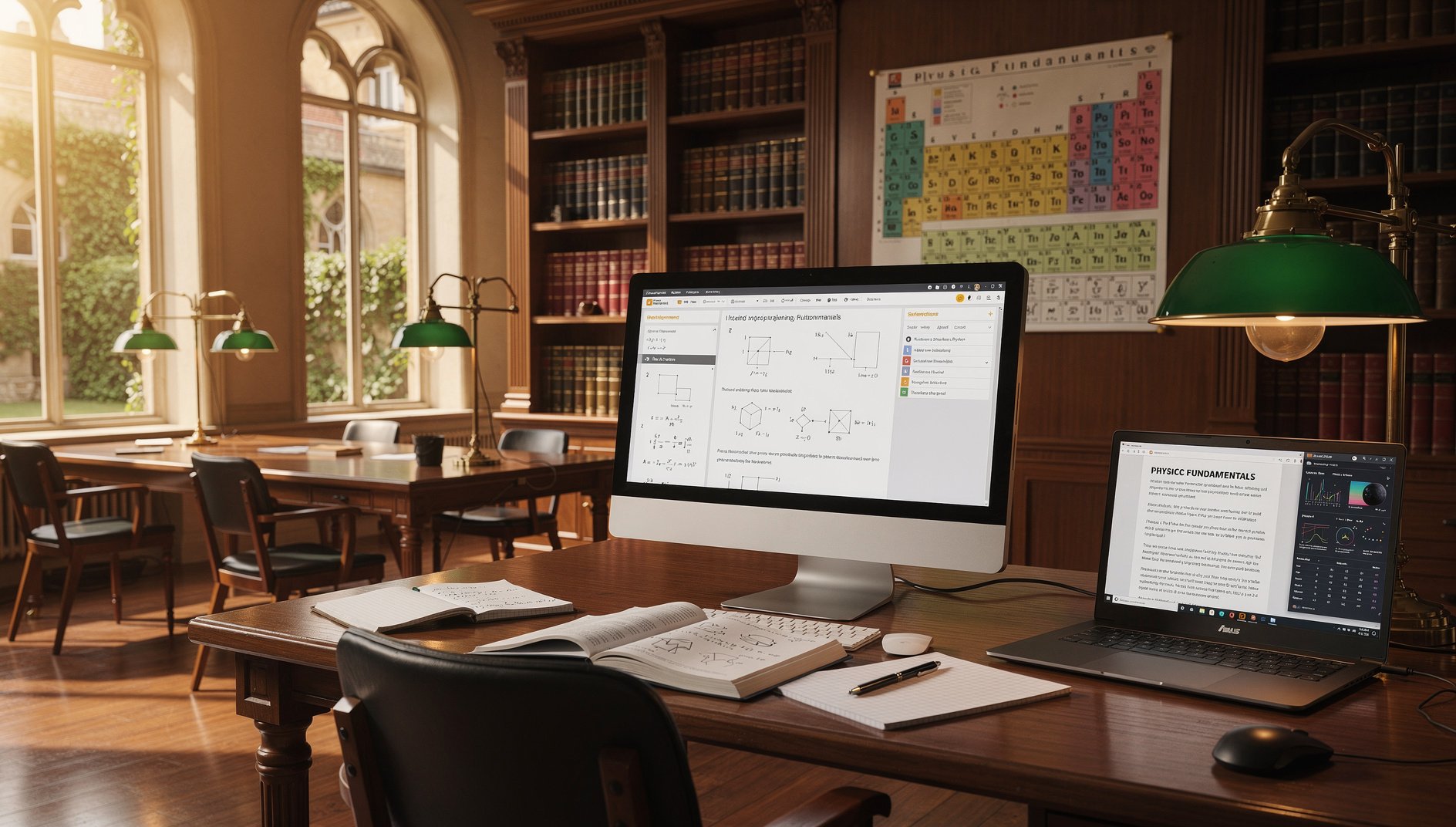
Physics Fundamentals covers the core principles of classical and modern physics from kinematics and Newton's laws through thermodynamics, electromagnetism, and optics. The course develops problem-solving skills using algebra-based methods and builds physical intuition through conceptual analysis and graphical interpretation.
Build On It
Anatomy and Physiology
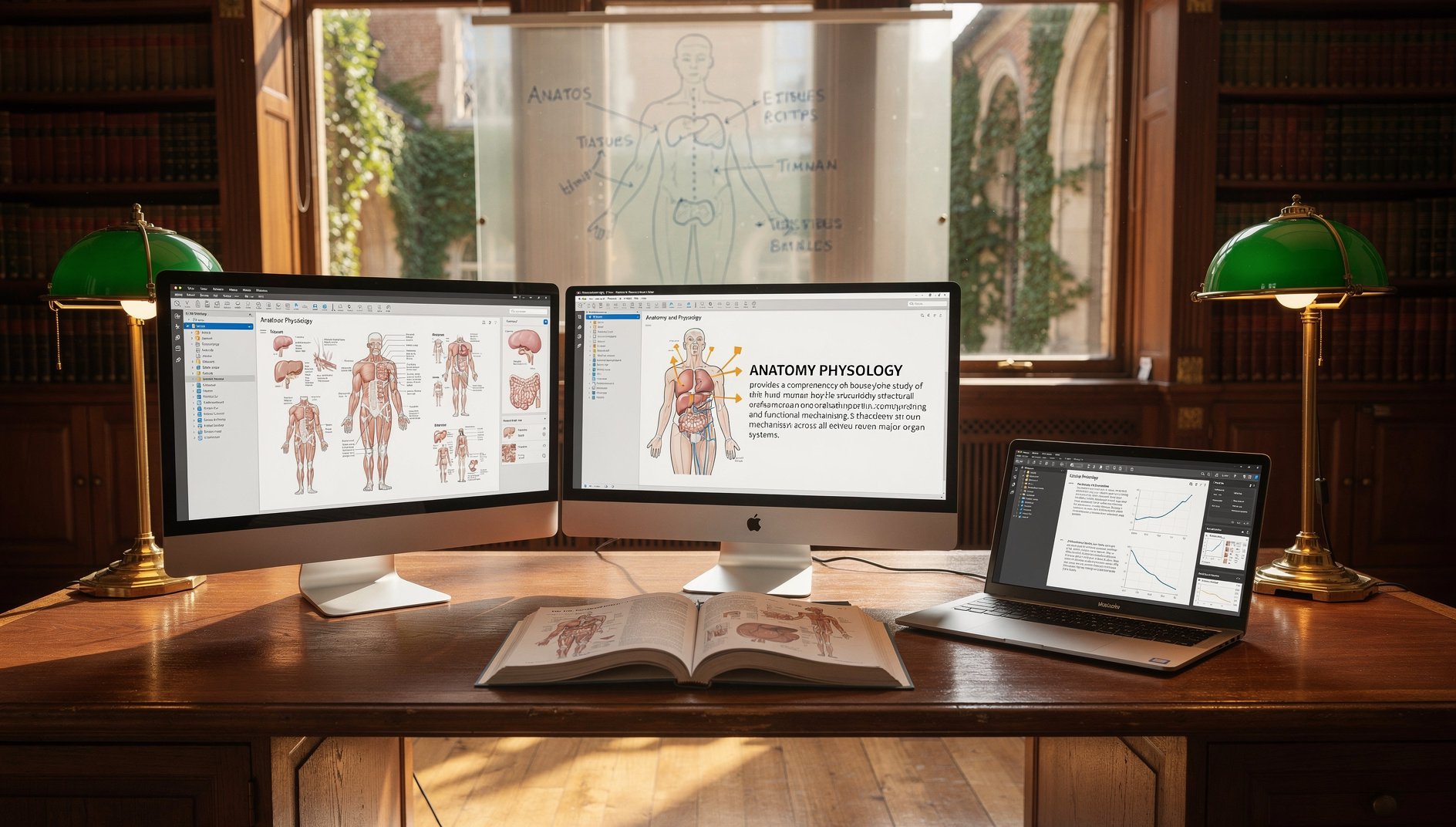
Anatomy and Physiology provides a comprehensive study of the human body's structural organization and functional mechanisms across all eleven major organ systems. The course integrates anatomical terminology, tissue-level organization, and physiological processes to build a unified understanding of how the body maintains homeostasis.
Earth Science
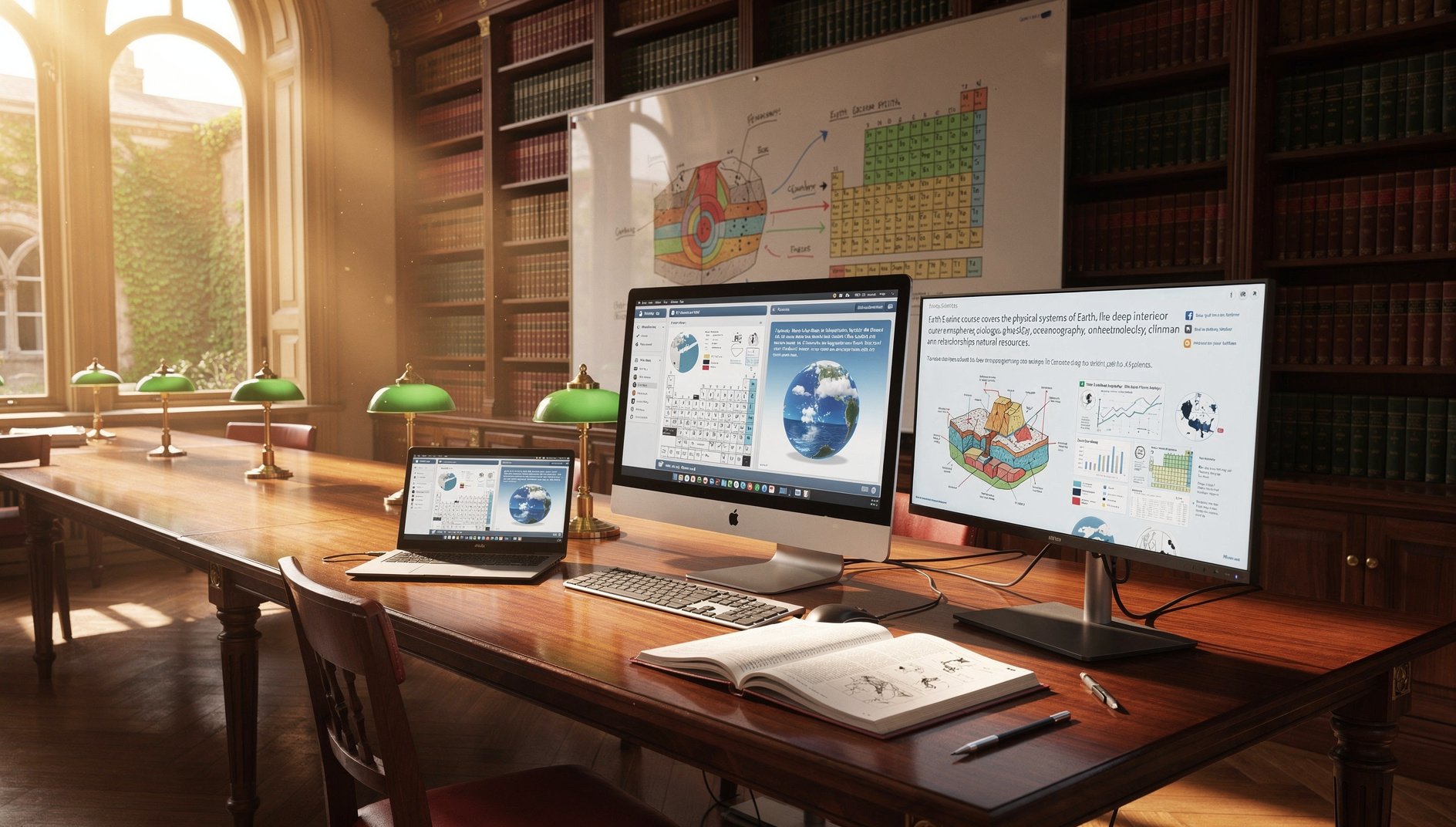
The Earth Science course covers the physical systems of Earth — from the deep interior to the outer atmosphere — giving learners a comprehensive foundation in geology, oceanography, meteorology, climate, and the human relationship with natural resources.
Earth Systems
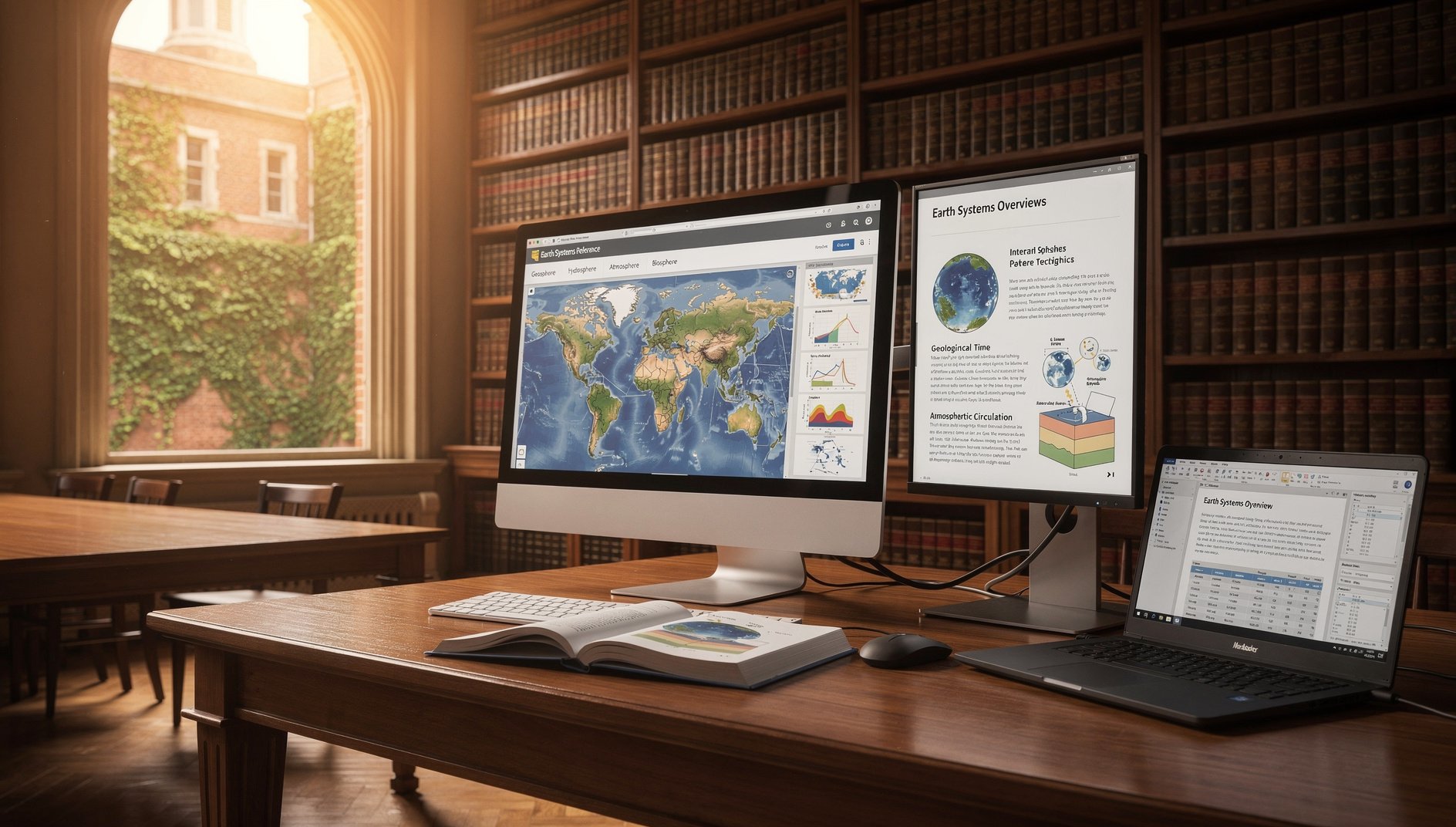
Earth Systems explores planet Earth as a set of interacting spheres — geosphere, hydrosphere, atmosphere, and biosphere — examining plate tectonics in depth, geochemical cycles, geological time, atmospheric circulation, ocean dynamics, Earth's energy budget, and the human-accelerated disruptions now rewriting these systems.
Environmental Science
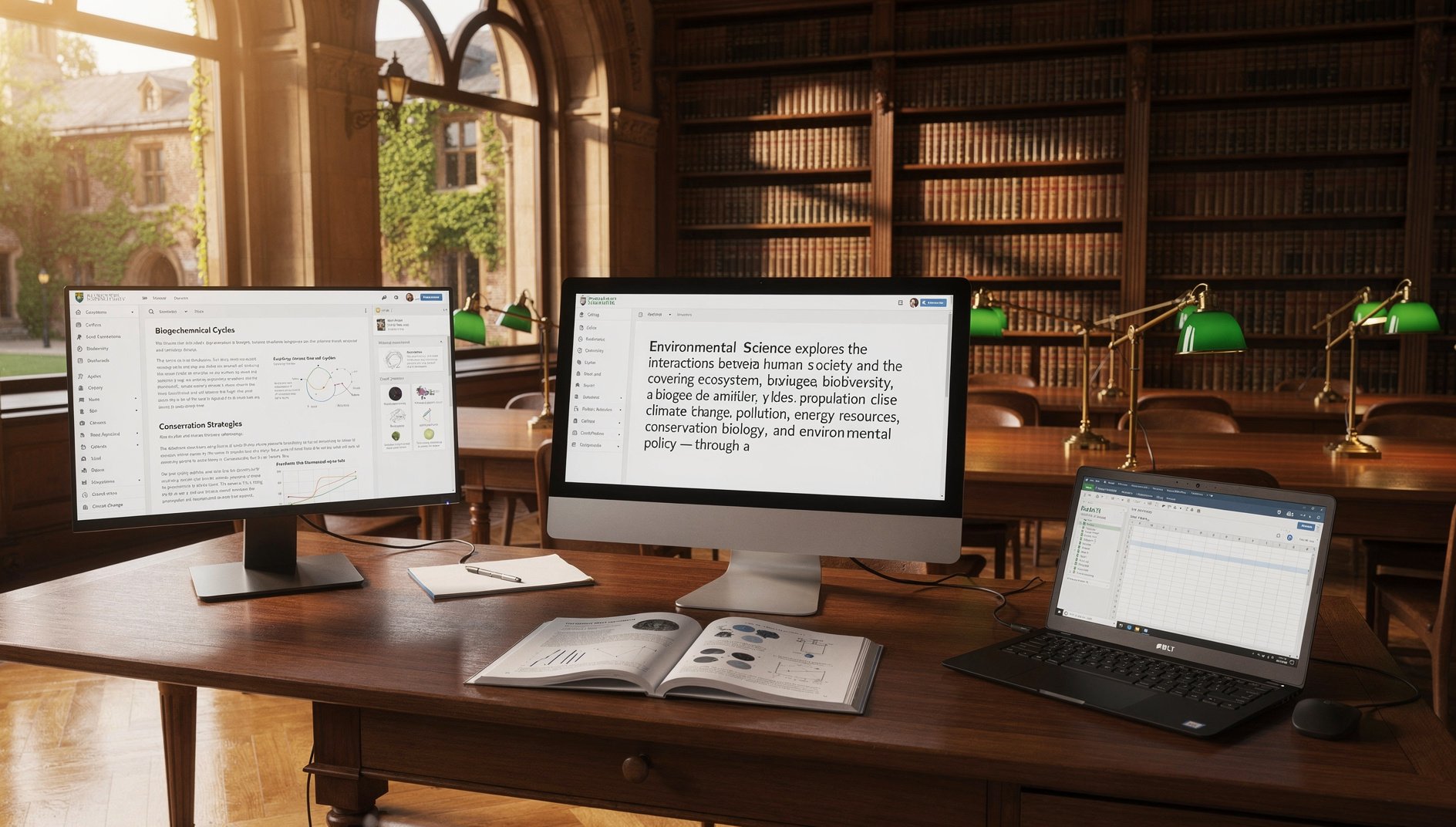
Environmental Science explores the interactions between human society and the natural world — covering ecosystems, biodiversity, biogeochemical cycles, population dynamics, climate change, pollution, energy resources, conservation biology, and environmental policy — through a systems-thinking lens.

Physical Science
Physical Science is a grade 8 course bridging chemistry and physics — covering matter and atoms, forces and motion, energy and heat, waves and the electromagnetic spectrum, and electricity and magnetism — with a balance of conceptual understanding and simple quantitative applications.
Why AccelaStudy® AI Open
Less Time on What You Know
Skip what you already know. Target only the gaps.
Cross-Domain Transfer
What you learn in one course carries into related ones.
$0, Forever
No trial clock, no locked chapters, nothing to cancel.
Start Science today — free
Adaptive learning that skips what you know and targets what you don’t.
One account unlocks all 150+ free courses.